Into Eternity

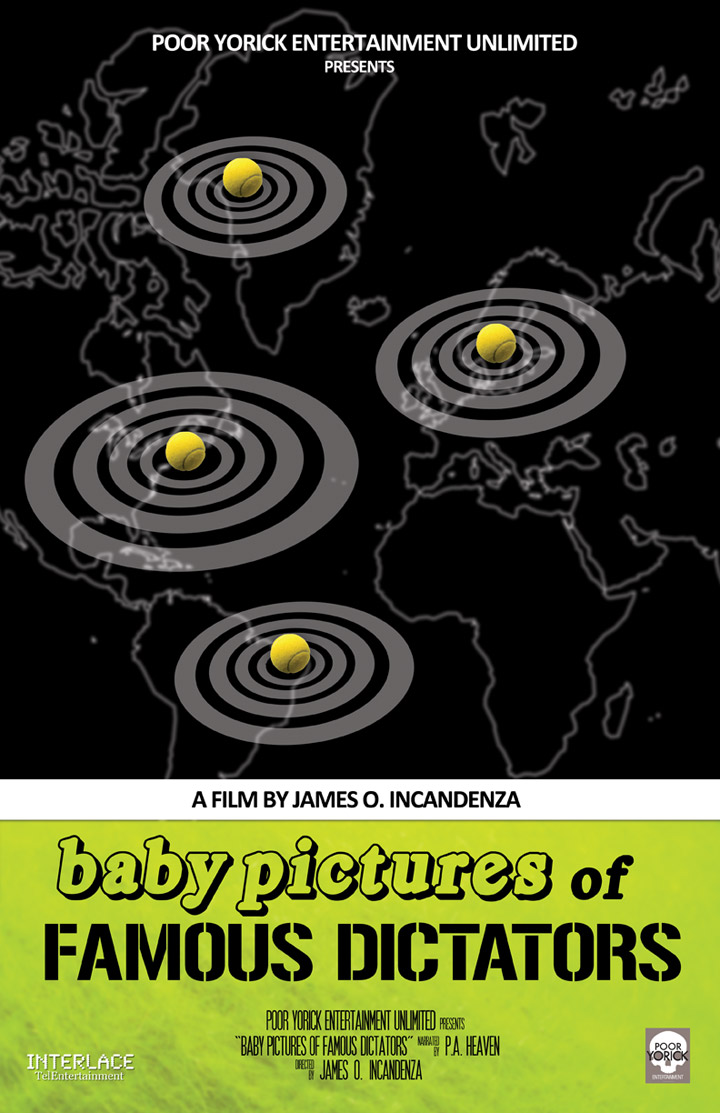
Danish filmmaker Michael Madsen’s new documentary, Into Eternity, looks like it might be pretty fascinating. The film follows the construction of the Onkalo Waste Repository at the Olkiluoto Nuclear Power Plant on the island of Olikiluoto, Finland. Probably gonna watch it this weekend. The trailer:


The New Proliferation: Cyber Weapons; or, the Internet is Tubes, its Tubes!

Thanks to Racheal for drawing my attention to the following things. The first is an article from yesterday’s New York Times about the US use of cyberweapons, the virus attacks on an Iranian nuclear facility, and the spiraling proliferation of the militarized internet. Misha Glenny writes in “A Weapon we Can’t Control,” in what sounds very much like digital-nuke-speak rhetoric and quickly maps onto digital destruction rhetoric:

During the cold war, countries’ chief assets were missiles with nuclear warheads. Generally their number and location was common knowledge, as was the damage they could inflict and how long it would take them to inflict it.

Advanced cyberwar is different: a country’s assets lie as much in the weaknesses of enemy computer defenses as in the power of the weapons it possesses. So in order to assess one’s own capability, there is a strong temptation to penetrate the enemy’s systems before a conflict erupts. It is no good trying to hit them once hostilities have broken out; they will be prepared and there’s a risk that they already will have infected your systems. Once the logic of cyberwarfare takes hold, it is worryingly pre-emptive and can lead to the uncontrolled spread of malware.

Hyperarchival parallax indeed.

And Dwight Garner has an interesting review, “He Has Seen the Internet, and it is Us,” of Tubes by Andrew Blum.

Nuclear Reactions

From the blog Nuclear Reactor, someone has built a nuclear reactor in Minecraft and had it explode.

In real world nuke reactor news, Europe is set to dismantle 150 nuclear reactors over the next 20 years: for the Washington Post, Brad Plumer reports on the difficulties of decommissioning nuclear reactors, both financial (400 million — 1 billion dollars per plant) and logistical in “How Hard is it to Dismantle 150 Nuclear Reactors? Europe’s About to Find Out.”

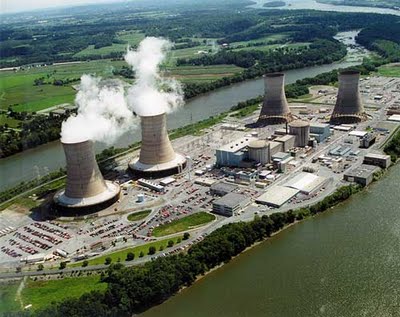
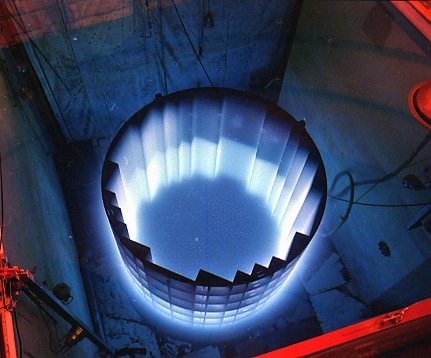
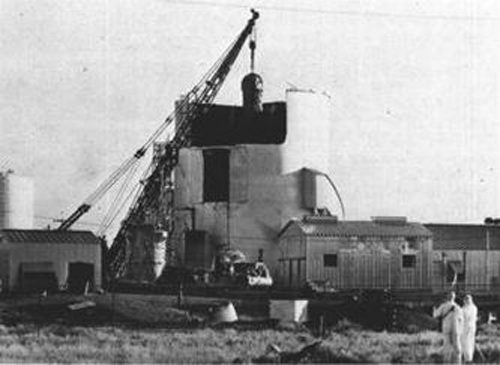
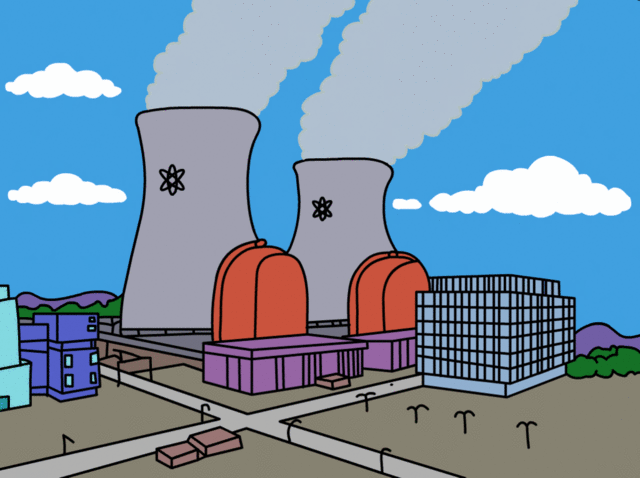
And some nuke reactor pics:

3 Mile Island

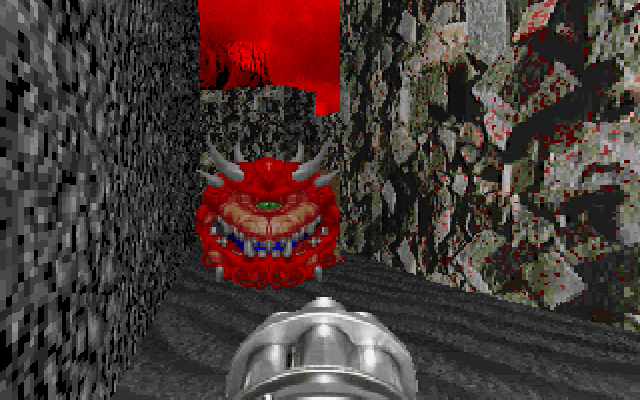
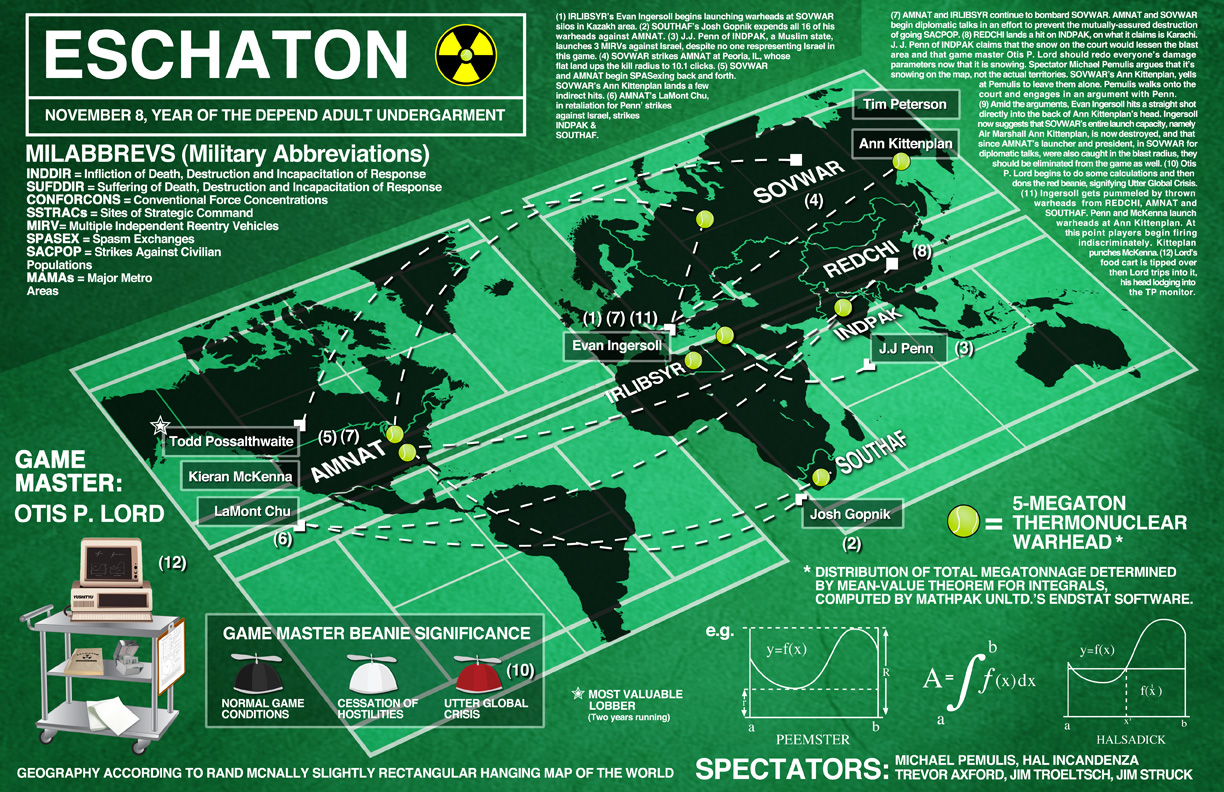
Video Game Eschatology

See this fantastic article from Berfrois  by Jesse Miksic, “Digital Disquiet: How 8- and 16-bit Games Taught me the Power of Dread.”

Literature has examined the burdens of immortality (Melmoth, Dorian Gray, Tuck Everlasting), and films have reflected upon death’s brutal banality (Antonioni, Haneke). But film and literature can’t do this. Even the most shocking torture-porn or the most unexpected termination (Marvin in Pulp Fiction) don’t amount to the meaninglessness of a main character’s life in these golden-age electronic games. Even when they’re bizarre, or out of left field, movie-deaths at least register as events and turning points in the narrative flow. In the nihilistic early side-scrollers, your death was one of hundreds, endlessly repeatable, and the world was indifferent to it. Everyone else else came back in the appointed role in every cycle, just like you.

Some Old Nuke Pics from LIFE

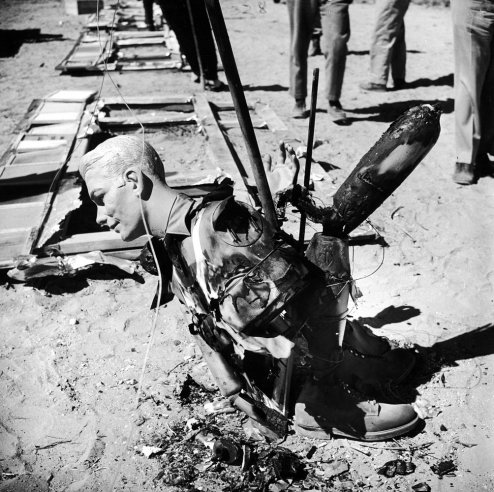
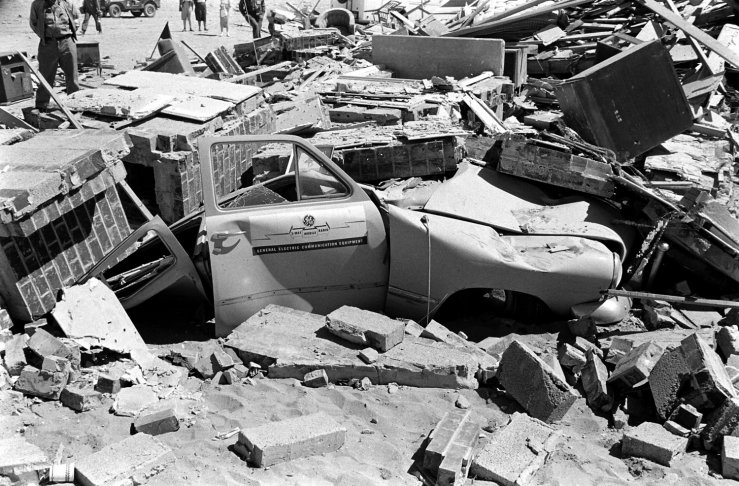
Today LIFE posted a number of pictures depicting the aftermath of a 1955 nuclear test in the Nevada desert. Some of these pictures were originally published in the magazine, but the majority of them were not. As the brief commentary accompanying the revisiting of these images puts it: “And yet today, six decades later, at a time when the prospect of nuclear tests by ‘rogue states’ like North Korea and Iran is once again making headlines and driving international negotiations and debate, the very banality of one long-forgotten atomic test in 1955 feels somehow more chilling than other more memorable or era-defining episodes from the Cold War. After all, whether conducted in the name of deterrence, defense or pure scientific research, the May 1955 blast. . . was in a very real sense routine.” A couple samples:


Perhaps it Isn’t the Nuclear Apocalypse We Should Fear, But Our Own Stupdity

io9 reports on two bombs that were accidentally dropped on the Carolinas in 1958. (They didn’t explode.)

io9 on 5 other times “we almost nuked ourselves. . . . The sad lesson is that we have less to fear from naked aggression than we do from incompetence and bad engineering.”

And a fairly authoritative and comprehensive account of U.S. Nuclear Weapons Accidents.

Archives: Hardcore and Otherwise (and Nukes)

So, it looks like the time has come when late-90s–early-00s hardcore is hitting the archival stage. I picked up the quite excellent Building a Better Robot: 10 Years of the Mr. Roboto Project, which, to my mind, reads like a mini handbook to quite a bit of the hardcore/indie scene of the first part of the last decade. Even though I experienced it in Tucson, Pgh doesn’t really seem that far away. . . .

Mr. Al Burian is revolving in the same orbit in his review, “Nicely Dressed Noise,” of the hyperarchival Touchable Sound: A Collection of 7-inch Records from the USA. (Is this is the state of hardcore? needing to emphasize how it is now just an entry into the[/our own personal] archive? Could be worse. They could be mashing up Drive Like Jehu. Oh, wait.)

There is a blog that seriously just shows bookshelves. It is called Bookshelf Porn. Ah, bookshelves. A sample.

And nukes: one “minute” closer to the end of the world, and “How to Get a Nuclear Bomb” by William Langewiesche over at The Atlantic from December of 2006.