Spring Semester 2026: Syllabi and Teaching Without Computers


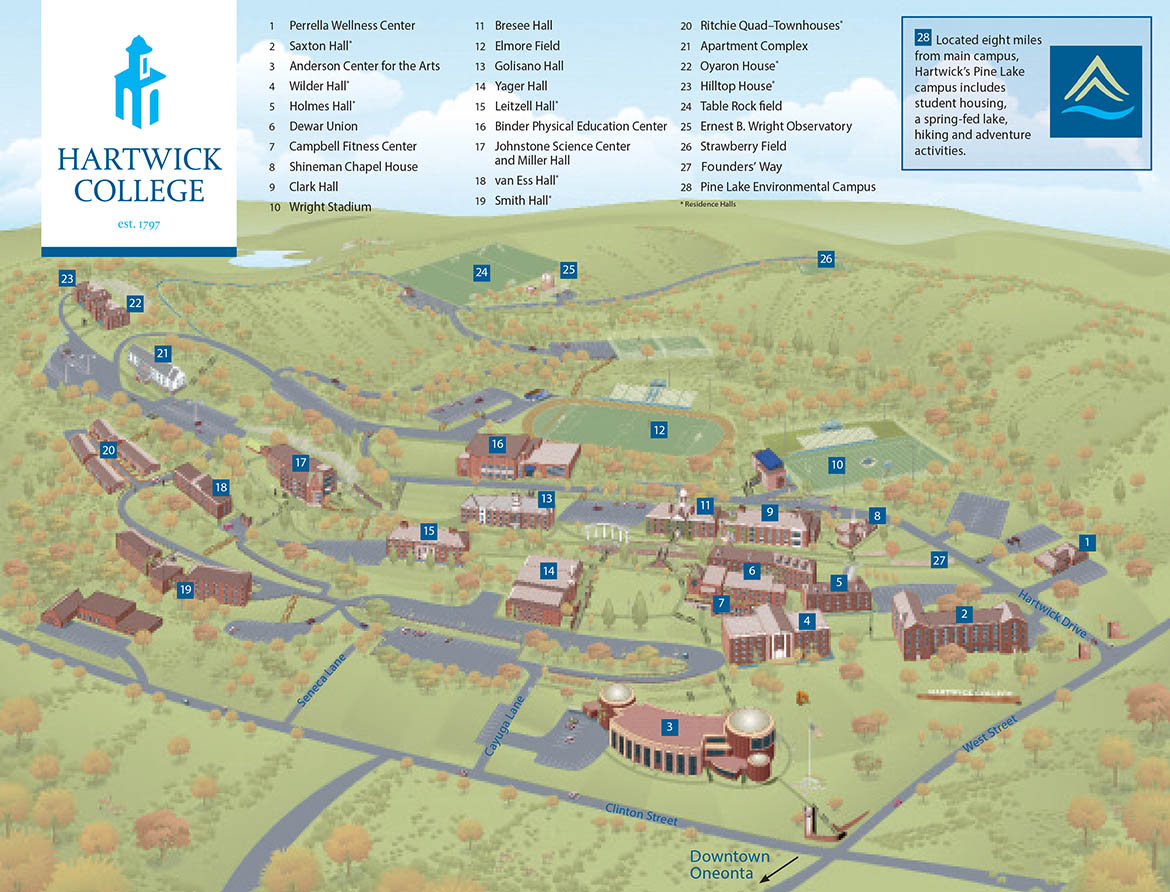
After a very productive and thoroughly refreshing sabbatical, I’m back at Hartwick College this spring teaching two courses (and two of my favorite to teach!). Here are the syllabi: ENGL 220 Introduction to Textual Analysis and ENGL 352 Critical Game Studies.

Most notably, after twenty years of teaching predominantly writing-intensive courses in which I assigned essays, poems, and stories to be composed outside of class, in response to the frustration the sheer amount of student work I have seen generated by artificial intelligence (AI) has caused me and the more general neofeudal edtechification of higher education, I made the decision this spring to make my courses (almost) completely analog in terms of assignments, materials, and expectations. Students write all their papers in class. Students are required to have print books, and I print out all PDFs for them to read and annotate. No one has a smart phone or a laptop anywhere in sight. It’s glorious, old school, amazingly analog. And it is working.[1]

I am calling this teaching without computers, and it has been revolutionary for my pedagogy and peace of mind, revitalizing the classroom as a space of human connection, energy, communication, thinking, and poiesis while also assuaging my own considerable frustrations with and despair about my job over the past few years, a job that at some point seemed destined to be little more than that of plagiarism detective. All my previous engagement with students’ ideas and their attempts to express those ideas were slowly and almost completely strained away over the past three-odd years with nothing left but policing, constantly on the lookout for evidence of now seemingly ubiquitous large-language model (LLM) use infecting and subverting the reading, writing, and thinking of our students, of an entire generation of young people, of, really, everyone, compromising our very humanity with its tepid, dumb slop. Though I am only six weeks into the semester, the transformation teaching without computers has wrought upon my classroom has been remarkable. My students have, to a large degree, embraced my new pedagogy, as I suspect it has given them back something that I perhaps only now realize had been lost in classrooms years before LLMs had emerged. I cannot recommend this (and other) kind(s) of AI-resistant pedagogy enough for other people teaching in the critical humanities. I am a convert. Fully. And I expect that, whatever comes next for me as a teacher, a big part of it will be proselytizing for the new good news: teaching and learning without computers.

For more resources on resisting AI in our teaching, see Anna Kornbluh, Eric Hayot, Krista Muratore, and Gina Stinnett’s Against AI.


[1] That said, there are still some digital elements in my classes. For example, obviously I still require that students play video games in ENGL 352 Critical Game Studies, and I do make available the online version of the Oxford English Dictionary and a thesaurus during in-class writing assignments. Of course, I also happily approve whatever digital accommodations students might need—they just need to ask (and regardless of whether or not they have any documented need for such accommodation).

Reading at CANO’s Writers Salon

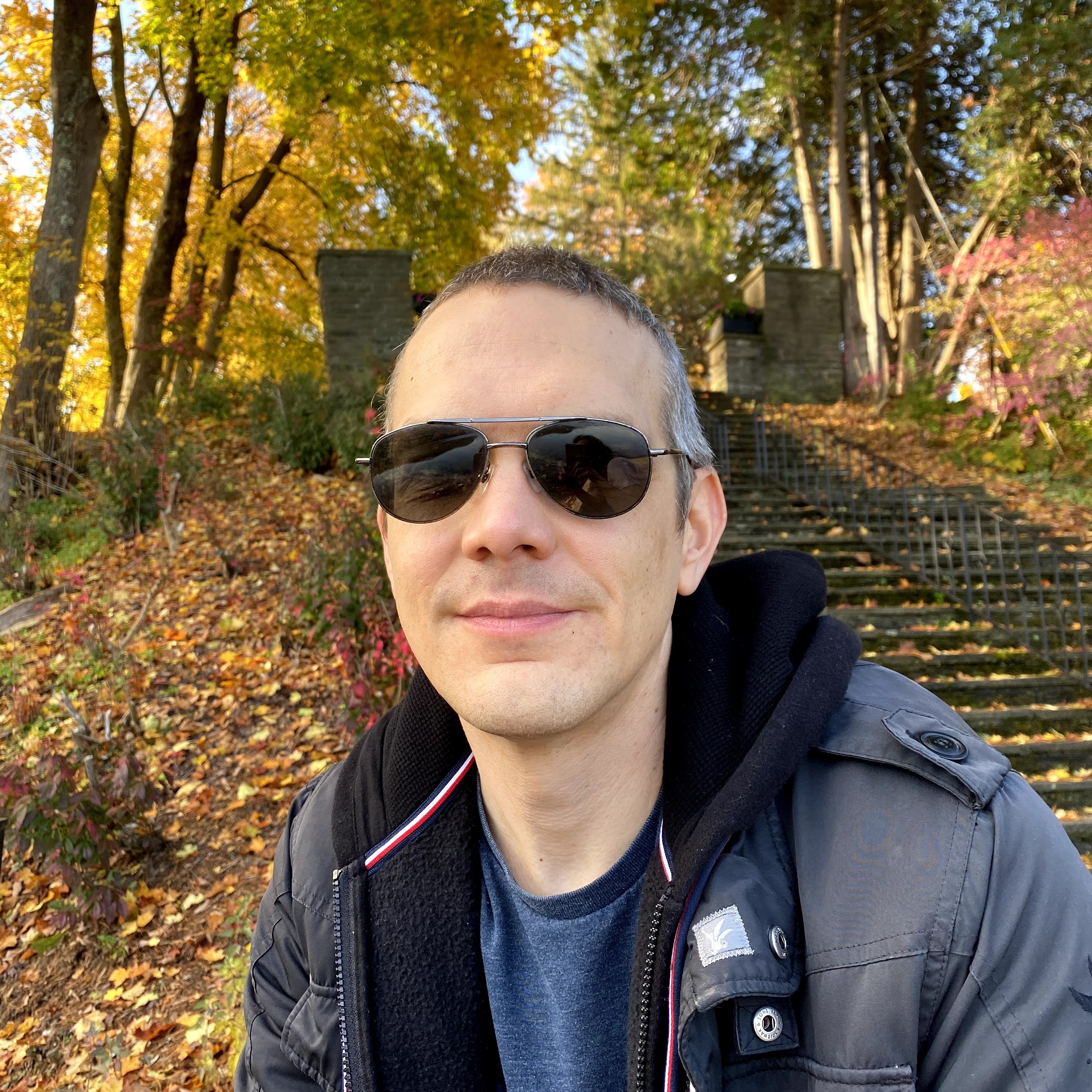
I recently published a book, 2013–2017: Sonnets (LJMcD Communications, 2024), the first in an ongoing sonnet sequence. I have written the next book in the sequence, 2018–2024: Sonnets, and I’ve started the third, 2024–20XX: Sonnets, and I will be reading poems from these two most recent projects at 7:30 p.m. on Thursday, November 21, 2024 at the Community Arts Network of Oneonta (CANO)’s Writers Salon at the Wilber Mansion on 11 Ford Ave. I promise a poem about the election (writing it right now).

The 2024–25 Visiting Writers Series at Hartwick College

In addition to this year’s Oneonta Literary Festival, at which Rachel Blau DuPlessis, Ross Gay, Anna Kornbluh, and many others will be speaking, the Hartwick College and the Department of Literature, Media, and Writing will present three readings in the 2024–25 Visiting Writers Series. Readings take place at 7:00 in the Eaton Lounge, Bresee Hall at Hartwick College in Oneonta, New York.


I will be reading on Wednesday, September 24, 2024 from my new book, 2013–2017: Sonnets (LJMcD Communications, 2024).

Libby Cudmore will be reading from her new book, Negative Girl (Datura, 2024), on Wednesday, November 13, 2024.

And Amish Trivedi will be reading, including from his newest book FuturePanic (Co•Im•Press, 2021), on Thursday, April 10, 2025.

For more information, visit the Visiting Writers Series webpage.

2013–2017: Sonnets

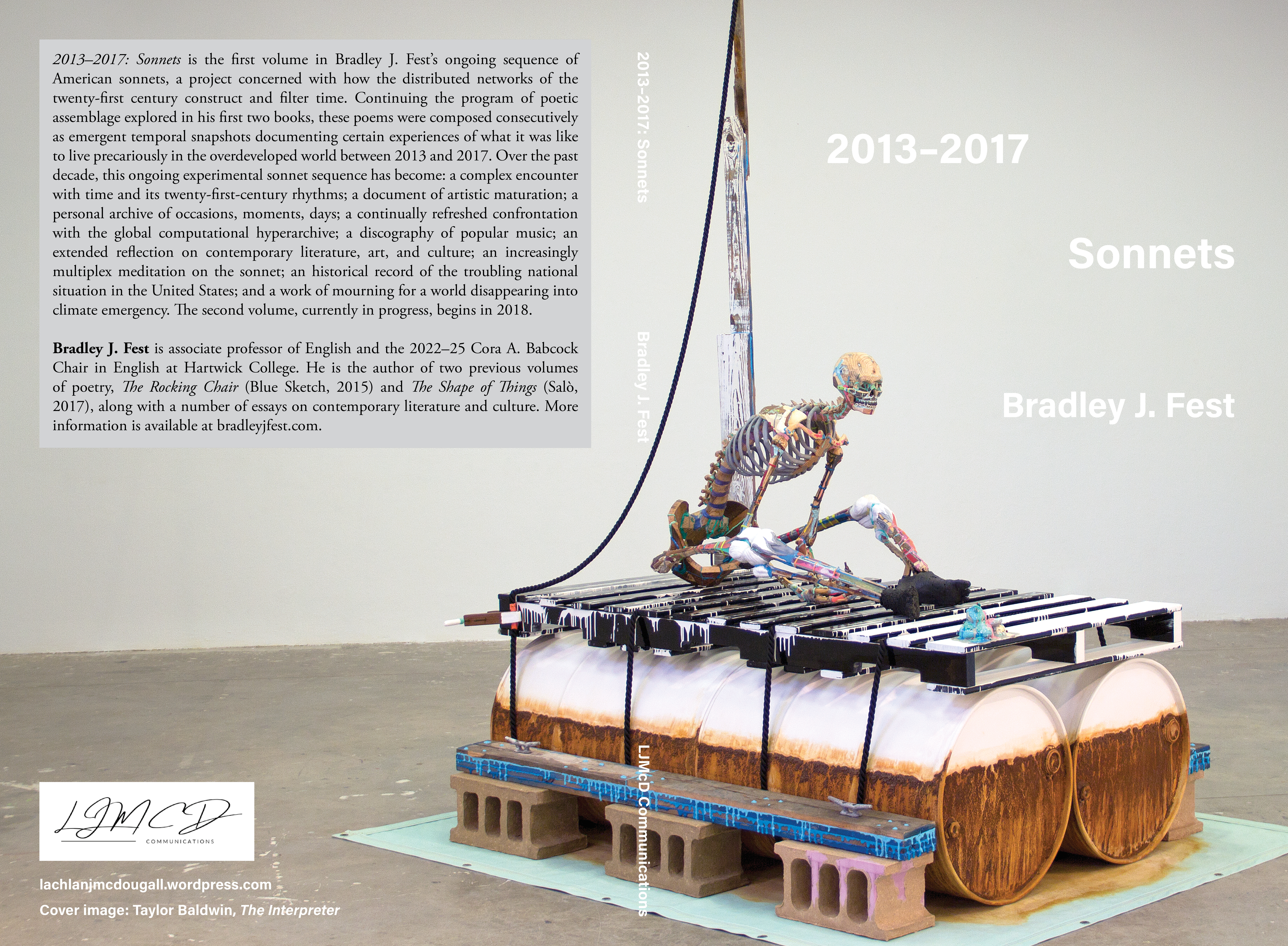
Now available! 2013–2017: Sonnets, my third book of poetry and the first volume of my American Sonnet sequence, has been published by LJMcD Communications. It can be ordered through Amazon

Fest, Bradley J--Cover for 2013-2017--cover

2013–2017: Sonnets is the first volume in Bradley J. Fest’s ongoing sequence of American sonnets, a project concerned with how the distributed networks of the twenty-first century construct and filter time. Continuing the program of poetic assemblage explored in his first two books, these poems were composed consecutively as emergent temporal snapshots documenting certain experiences of what it was like to live precariously in the overdeveloped world between 2013 and 2017. Over the past decade, this ongoing experimental sonnet sequence has become: a complex encounter with time and its twenty-first-century rhythms; a document of artistic maturation; a personal archive of occasions, moments, days; a continually refreshed confrontation with the global computational hyperarchive; a discography of popular music; an extended reflection on contemporary literature, art, and culture; an increasingly multiplex meditation on the sonnet; an historical record of the troubling national situation in the United States; and a work of mourning for a world disappearing into climate emergency. The second volume, currently in progress, begins in 2018.

Eternal thanks to Lachlan J. McDougall for bringing 2013–2017 into the world and to Taylor Baldwin for the cover image.

Fest, Bradley J--Cover for 2013-2017--spread

Oneonta Literary Festival, October 17–21, 2024 and the 2024–25 Babcock Lecture.

onenta-new-york-Main-Sunset_f

In collaboration with SUNY Oneonta’s Department of English, the Community Arts Network of Oneonta (CANO), the Huntington Library, and Oneonta High School, my colleague Tessa Yang and I are co-organizing the Oneonta Literary Festival, which will take place October 17–21, 2024 at various places in and around Oneonta.

For our part, Hartwick College is bringing in Anna Kornbluh to deliver the 2024–25 Babcock Lecture, “Historical Fictions, Heist Flicks, and other Climate Genres for a Burning World,” as part of the festival, along with Rachel Blau DuPlessis, Ross Gay, and Willy Palomo. For more information, please visit the Oneonta Literary festival website at www.hartwick.edu/literaryfestival. (The festival also takes place throughout the year [more info about year-long events here].)

At Hartwick College, the festival is supported by the Arts and Humanities Division, the Babcock Chair in English, the Department of Literature, Media, and Writing, a grant from the National Endowment for the Humanities, the Office of Academic Affairs, and the Visiting Writers Series.

2013–2017: Sonnets Will Be Published by LJMcD Communications in July 2024

Fest, Bradley J--Cover for 2013-2017--600 resolution--coverI am absolutely thrilled to announce that 2013–2017: Sonnets, the first volume of my ongoing sonnet sequence, will be published by LJMcD Communications in July 2024. I’ll update this page with more information when I have it, but for now, here’s a description of the book:

2013–2017: Sonnets is the first volume in Bradley J. Fest’s ongoing sequence of American sonnets, a project concerned with how the distributed networks of the twenty-first century construct and filter time. Continuing the program of poetic assemblage explored in his first two books, these poems were composed consecutively as emergent temporal snapshots documenting certain experiences of what it was like to live precariously in the overdeveloped world between 2013 and 2017. Over the past decade, this ongoing experimental sonnet sequence has become: a complex encounter with time and its twenty-first-century rhythms; a document of artistic maturation; a personal archive of occasions, moments, days; a continually refreshed confrontation with the global computational hyperarchive; a discography of popular music; an extended reflection on contemporary literature, art, and culture; an increasingly multiplex meditation on the sonnet; an historical record of the troubling national situation in the United States; and a work of mourning for a world disappearing into climate emergency. The second volume, currently in progress, begins in 2018.

Also, thanks much to my very good friend Taylor Baldwin for the amazing cover image: The Interpreter (2010).