Paul Benzon will deliver the 2022–23 Babcock Lecture at 7:00 p.m. on Wednesday, April 5, 2023 in the Eaton Lounge of Bresee Hall at Hartwick College.
“The Poetics and Politics of the Paralegible”
What are the politics of writing—not at the level of language and discourse, but rather at the level of materiality and of the inscriptive mark itself? What might approaching writing as a material, visual practice have to tell us about issues of cultural identity, history, and power.
In the 2022–23 Babcock Lecture, Paul Benzon will explore these questions through a discussion of a mode of experimental writing he calls the paralegible. As the term suggests, the paralegible exists in the liminal space between the legible and the illegible, troubling the relations between the mark and the letter, the visible and the invisible. Simultaneously conjuring the desire to read and refusing that desire, it foregrounds questions of writing, authorship, and the textual trace. Turning to recent work by three artists—Renee Gladman, Hương Ngô, and Shirin Salehi—Benzon will show how the paralegible activates the political potentialities of writing that is at odds with language.
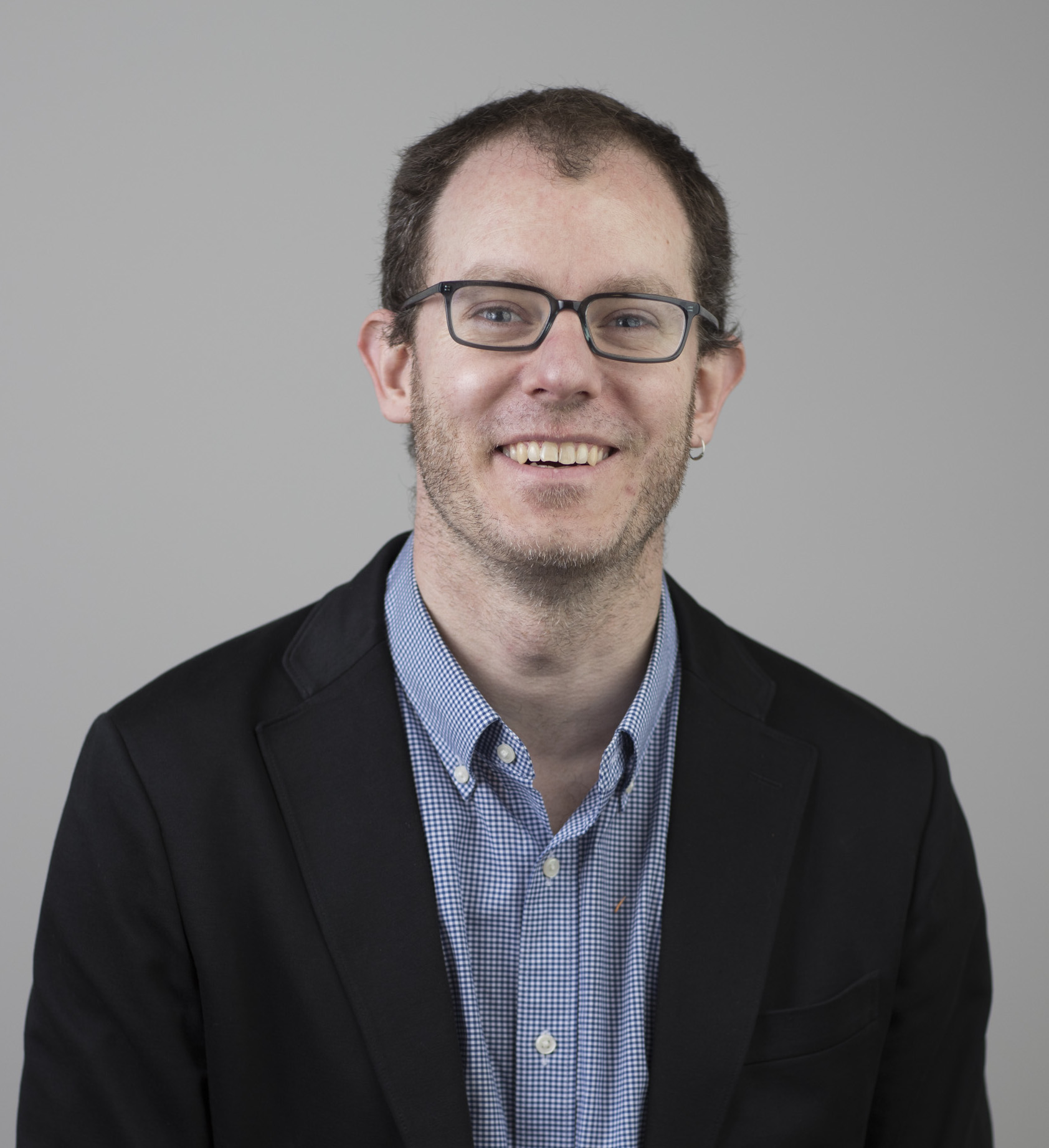 Paul Benzon (he/him/his) is an assistant professor in the English Department at Skidmore College, where he also teaches courses in the Media and Film Studies Program. He is the author of Archival Fictions: Materiality, Form, and Media History in Contemporary Literature (University of Massachusetts Press, 2021), and his writing has appeared in College Literature, electronic book review, Media-N, Narrative, and PMLA. His current project, from which this talk is drawn, considers how contemporary literary and artistic experimentations with print textuality, the book as an object, and textual and alphabetic design reckon with questions of historical trauma and social justice.
 I am absolutely thrilled to announce that 2013–2017: Sonnets, the first volume of my ongoing sonnet sequence, will be published by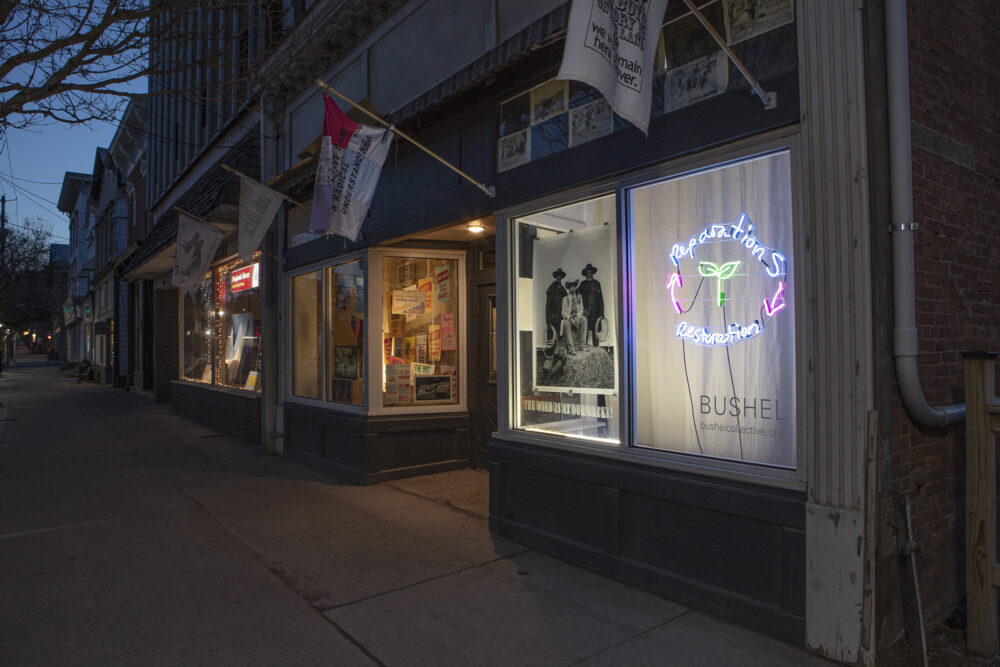
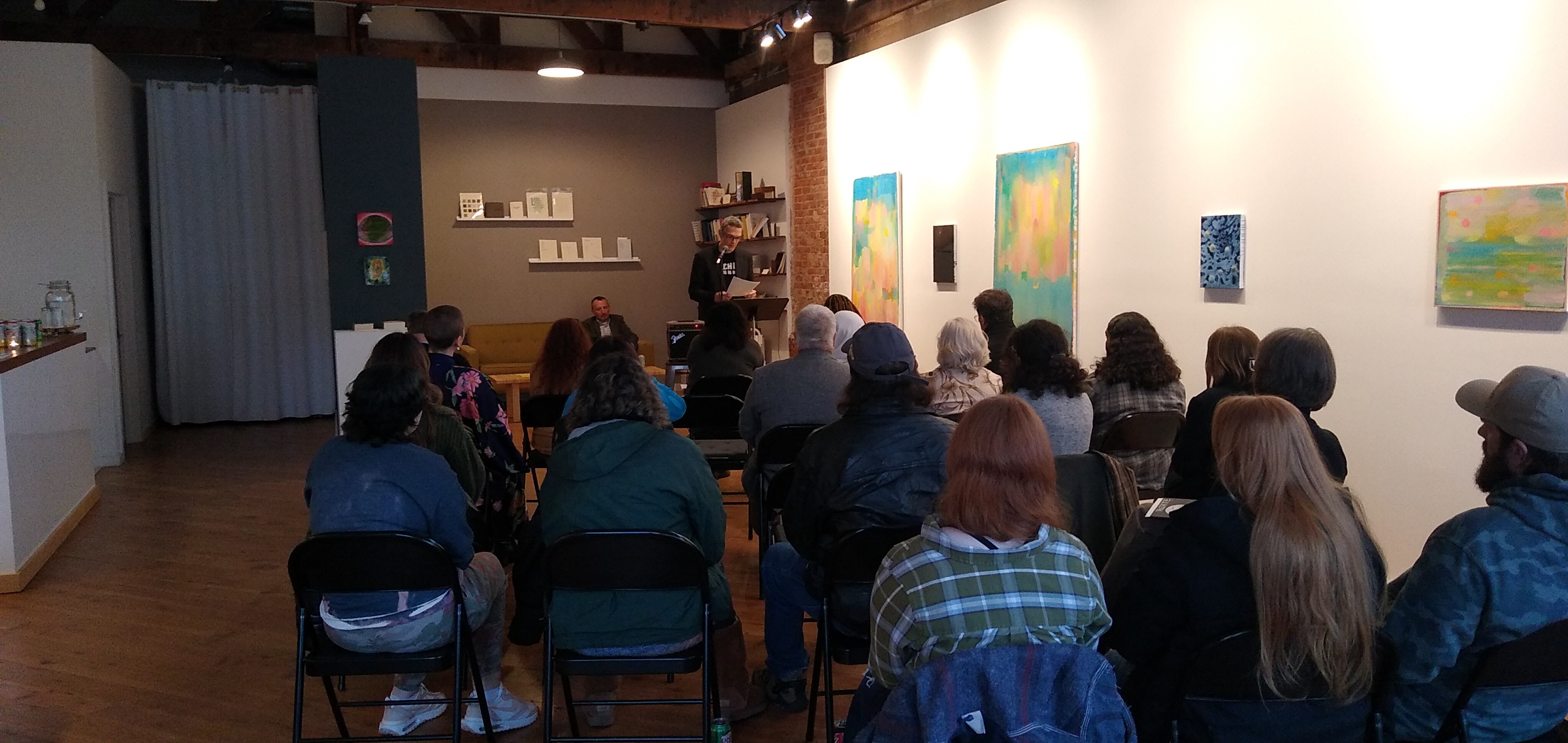
 I’m delighted to have “2022.06,” “2023.02,” “2023.03,” “2023.04,” and “2023.05–06”—five very new sonnets—out in
 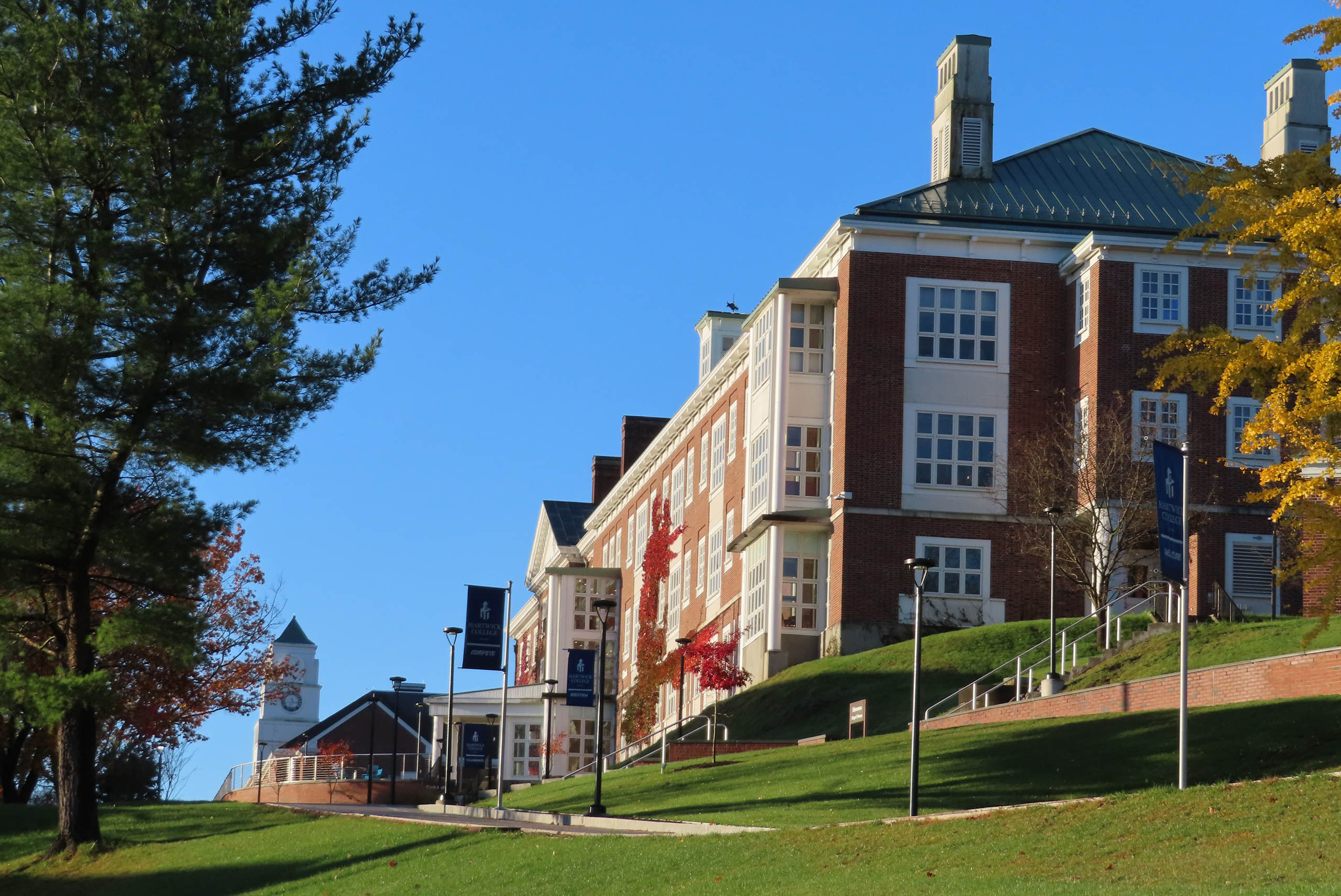 Because I am the 2022–25 Cora A. Babcock Chair in English, I have a course release each spring for the next three years. As such, I’ll only be teaching one class this semester, but I’m super excited about it:
  The Hyperarchival Parallax